Blog
Ensuring the safety of our little ones at home starts with appliance child proofing. It’s more than just a precaution; it’s a necessity. Every year, countless curious kids find themselves in harm’s way due to unsecured household appliances. Whether it’s the allure of pressing buttons on the microwave or the fascination with opening the fridge, these everyday items can pose unexpected dangers.
Did you know? A significant number of emergency room visits by children involve incidents with household appliances. From minor injuries to more serious accidents, the risks are real. For example, a common scenario involves toddlers trying to climb on open dishwasher doors, leading to potential falls or access to sharp objects.
By focusing on appliance child-proofing, we create a safer space for our children to explore, learn, and grow. It’s all about peace of mind for parents and a secure environment for kids
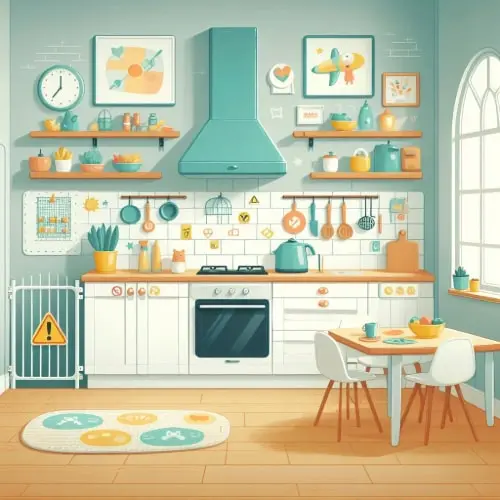
When it comes to making our homes child-friendly, knowing the risks is the first step. Many common household appliances, though essential for daily tasks, can be hazardous for curious kids. Appliances like stoves, refrigerators, and washing machines, though seemingly harmless, can turn into safety hazards if not properly child-proofed.
Let’s talk about stoves. They’re a big concern, especially with their accessible knobs and hot surfaces. Children, in their exploratory phase, might turn them on accidentally, leading to potential burns or even fires. Refrigerators, too, attract little ones with their doors just within reach, posing risks of trapping fingers or toppling over if climbed on.
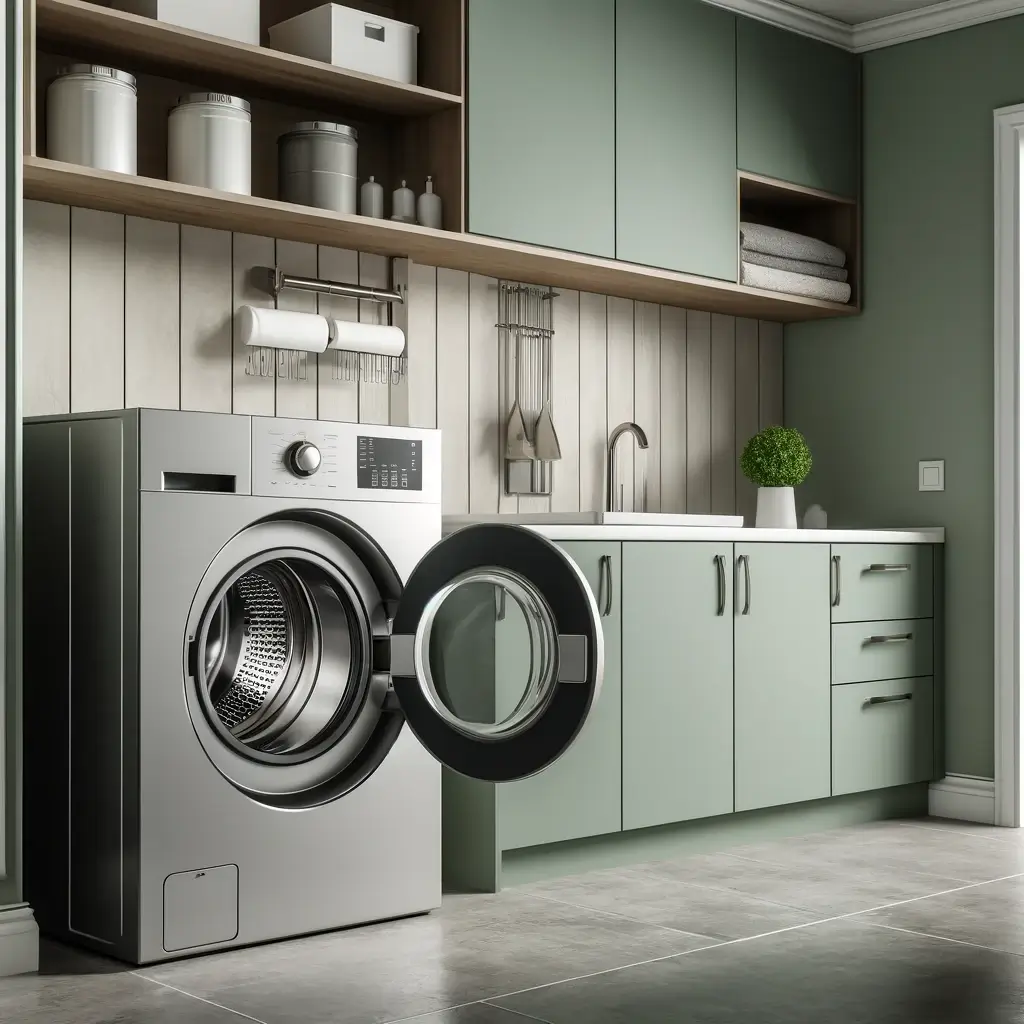
Washing machines and dryers are not to be overlooked. Their large doors and buttons can be tempting for kids to play with, leading to risks of entrapment or injuries from moving parts. Also, electric shocks are a possibility with any appliance if water is involved or if they are damaged.
Understanding these risks helps us take the right steps towards appliance child proofing. With knowledge comes the power to prevent accidents and create a safer environment for our children
We come to you, view all service location areas
Setting up your home for child safety is all about the right placement and installation of appliances. It’s not just where you put them, but how they are installed that counts. Let’s dive into some easy yet effective ways to appliance child proof your home.
First, let’s talk about sharp objects. Knives, scissors, and other sharp tools should be stored high up or in locked drawers. A magnetic strip for knives, out of kids’ reach, is not just safe but also stylish.
Appliances like blenders or food processors? They should be unplugged and stored away when not in use. And don’t forget about the dishwasher – use child locks to prevent curious kids from opening it, especially when it’s running or loaded with sharp items.
Now, let’s talk about those bigger appliances. Securing freestanding units, like refrigerators or stoves, is crucial. You want to make sure they are stable and can’t tip over. This means anchoring them securely to the wall or ensuring they’re on a stable, level surface.
Proper installation is key. Whether it’s a dishwasher or a washing machine, making sure they are installed correctly can prevent a lot of mishaps. A wobbly washing machine or a dishwasher that’s not properly aligned might not only function poorly but also pose safety risks.
Lastly, let’s not forget about cords and outlets. Loose cords can be tripping hazards, and curious kids might pull on them, bringing appliances down. Safely tucking away cords and using child-proof covers for outlets can go a long way in keeping your little ones safe.
Remember, a little attention to how and where you place your appliances can make a big difference in childproofing your home
Educating our kids about the dos and don’ts of appliance safety is a key part of childproofing our homes. Let’s explore some easy and engaging ways to teach children of all ages about staying safe around appliances.
For the little ones, start with basic rules. Simple phrases like “Hot, don’t touch!” or “This is for adults only” help set clear boundaries. It’s all about making them aware of what’s safe and what’s not in a language they understand.
As they grow older, involve them in learning about appliance safety. This can be as simple as showing them how to use a microwave safely or what the different buttons on the washing machine do. Make it a fun learning session rather than a strict lecture.
Role-playing is a fantastic tool. Create scenarios where they get to act out what to do and what not to do. For instance, pretend to cook together and teach them about stove safety, or role-play how to correctly close the refrigerator door. This hands-on approach makes learning stick.
Practical demonstrations are equally effective. Show them how to safely plug in and unplug appliances. Let them observe you as you handle appliances safely, setting a good example for them to follow.
Remember, the goal is to make learning about appliance safety a regular, enjoyable part of their routine. With the right approach, you can turn safety lessons into fun, educational activities that your kids will remember and apply.
Regular maintenance isn’t just about keeping your appliances running smoothly; it’s a big part of ensuring they’re safe for your family. Let’s break down why keeping up with appliance checks is crucial, especially in homes with children.
Consistent maintenance is key to safety. It’s like a health check-up for your appliances. This means catching any potential hazards before they become problems. A loose dishwasher door or a fraying cord on the blender? These are things you want to fix right away.
Let’s get into a simple checklist for routine safety inspections:
Now, how do you spot signs of trouble? Be on the lookout for unusual noises, sparks, or strange smells when appliances are in use. These can be early warning signs of malfunction. Also, watch out for any wear and tear, like cracks or loose parts. These might seem minor but could lead to bigger safety issues.
Remember, a well-maintained appliance is a safer appliance. Regular checks might seem like a chore, but they are a straightforward and essential step in appliance child proofing. Keep your appliances in check, and you’ll have one less thing to worry about when it comes to keeping your kids safe

Ensuring the safety of your children around household appliances sometimes means knowing when it’s time to call in the pros. A professional appliance repair company plays a crucial role in maintaining a safe environment at home. Let’s talk about when and why it’s important to seek their expertise.
First off, if you notice any appliance acting strangely – like your oven not heating properly or your washing machine making loud noises – it’s time to call a professional. These could be signs of underlying issues that not only affect performance but also safety.
Electrical problems are a big red flag. If you see sparks, experience frequent power trips, or notice your appliance giving off a burning smell, don’t try to fix it yourself. These are serious safety hazards, especially around curious kids. A professional technician can safely identify and fix these issues.
Water leaks are another reason to call in experts. Water and electricity are a dangerous mix, especially in households with children. A leaky dishwasher or fridge can create puddles, leading to slips or electrical hazards. A professional can fix these leaks before they lead to accidents.
Remember, DIY repairs might seem like a cost-effective solution, but when it comes to complex electrical appliances and child safety, it’s best to trust the experts. They have the skills and tools to ensure your appliances are not just functioning well but are safe for your entire family.
So, keep your home safe and sound by knowing when to reach out to a professional appliance repair service. Your family’s safety is worth the peace of mind.
If you have concerns about your appliance’s performance, contact the professionals at ARNI Services, Appliance Repair, for a thorough diagnosis and repair service. – you can’t put a price tag on peace of mind.