Blog
Have you ever heard a clicking sound coming from your refrigerator and wondered what it was? You’re not alone. Many people experience this common issue, and it can be quite frustrating and concerning. These unexpected noises can interrupt your morning routine or wake you up at night. Luckily, most of the time, there’s a simple explanation behind these sounds. We’ll uncover the common causes of refrigerator clicking, show you how to identify the problem and provide easy solutions to fix it. Let’s calm those worries and bring back the peace and quiet to your kitchen!
Is the Clicking in the fridge normal
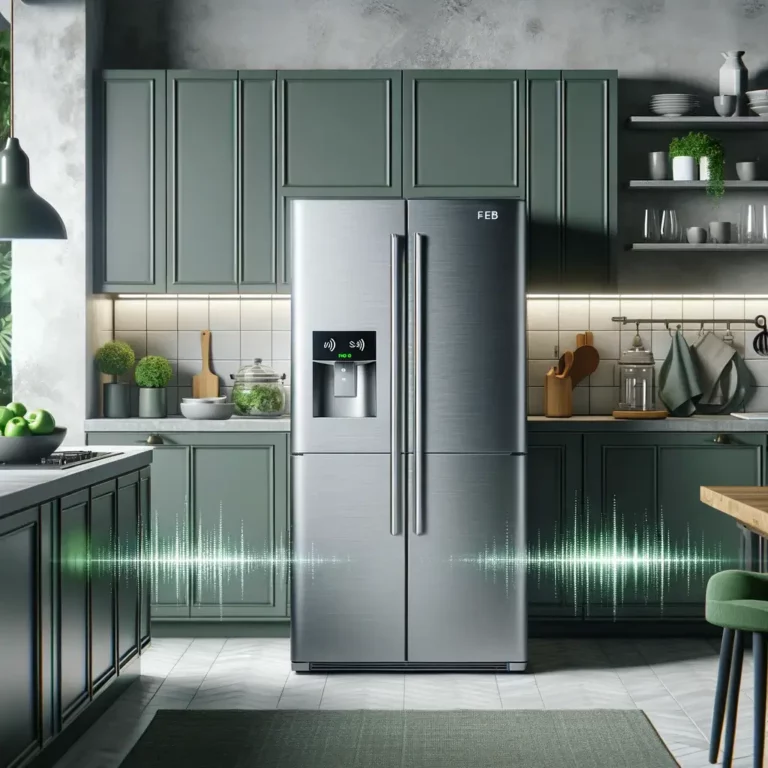
It’s important to recognize that some clicking noises from your refrigerator are perfectly normal. These sounds typically happen when the thermostat adjusts the temperature inside your fridge or when the compressor turns on and off to do its cooling job. These normal clicks should be brief and infrequent—they’re just the sounds of your refrigerator doing its work.
However, not all clicking is routine. If the clicks are rapid, repetitive, or unusually loud, it might be a signal that something’s wrong. This kind of noise can be jarring and may disrupt the calm of your home environment. Identifying whether the clicking is a regular part of operation or an indication of a problem is key to maintaining both your fridge’s health and your peace of mind. Let’s delve deeper and distinguish the reassuring taps of normal function from the urgent knocks of an appliance in distress.
We come to you, view all service location areas
Your refrigerator’s defrost cycle is designed to prevent ice buildup, but it can also be a source of clicking sounds. This cycle operates on a timer and involves heating elements (defrost heaters) which melt away frost. Normally, you’ll hear a click when the cycle starts and ends. However, if you notice excessive clicking, this might indicate a problem with the defrost timer or the heater itself. A faulty timer may get stuck in one position, while a malfunctioning heater may struggle to perform efficiently, both leading to unusual clicking.
The compressor is the heart of your refrigerator, pumping refrigerant throughout the system. It typically makes a clicking sound when it kicks on and off. If these clicks become frequent or are accompanied by a grating noise, it might suggest the compressor is failing. Such issues often require a professional’s touch, as compressor problems can be complex and critical.
If your refrigerator has an ice maker, it can be another source of clicking noises. Common culprits include troubles with the water line or the mechanics of the dispenser itself. If the clicks are coming from the ice maker, check to see if the water line is hooked up properly and isn’t kinked. Sometimes, simply resetting the ice maker can resolve these sounds and get it running smoothly again.
Clicking noises can also come from physically loose parts within your fridge. This could be anything from a wobbly shelf to unsecured drawers. Each time the fridge moves slightly (like when the compressor starts up), these components might shift, creating clicking sounds. Ensure all shelves, drawers, and other removable parts are secure and tight. A quick inspection and adjustment can eliminate these noises and restore the quiet in your kitchen.
By understanding these common sources of clicking noises and knowing how to address them, you can keep your refrigerator running quietly and efficiently. Remember, while many issues can be fixed at home, some might require professional help, especially when it comes to complex components like the compressor.
When your refrigerator starts making those unexpected clicking noises, a quick troubleshooting session can often save the day. Here’s a brief recap of steps for the common causes we’ve discussed:
Safety First: Always unplug your refrigerator before you start poking around inside. This will protect you from any electrical shocks and keep the appliance safe from damage.
Sometimes, the do-it-yourself approach just doesn’t cut it, especially when your fridge keeps clicking despite your best efforts. This is when calling in a qualified fridge repair person from ARNI Services becomes crucial. It’s not just about convenience—it’s about ensuring the health and longevity of one of the most important appliances in your home. Our fridge repair experts can diagnose the clicking noise and get your fridge running smoothly again, saving you food and frustration.
Calling in a professional not only saves you from the hassle and potential risk of further damage but also ensures the job is done right. If you’re looking for reliable, expert service, call us at ARNI Services Appliance Repair. We provide top-quality appliance repairs with an emphasis on efficiency and reliability. Our experienced technicians can diagnose and fix the issue promptly, giving you peace of mind and a quiet kitchen once again.
Remember, early intervention by a professional can prevent more serious damage and higher repair costs down the line. Don’t wait for the fridge to give out completely—reach out to ARNI Services at the first sign of trouble.
Yes, some clicking noises are a normal part of your refrigerator’s operation. These might include clicks when the thermostat turns on/off or the compressor kicks in. These clicks are usually brief and infrequent.
Abnormal clicking noises are typically:
There are several reasons your fridge might be clicking abnormally:
Sometimes! For defrost cycle issues, ice maker problems, or loose parts, you might be able to troubleshoot yourself (see our troubleshooting tips below). However, if you suspect a compressor issue or the problem persists, it’s best to call a qualified appliance repair service like ARNI Services.
Here are some steps to take:
Unplug your refrigerator for safety.
Try some basic troubleshooting steps:
Check for loose parts and tighten them if needed.
If you have an ice maker, consult your owner’s manual for troubleshooting steps like resetting it.
If the clicking persists or you suspect a compressor issue, contact ARNI Services for professional repair.
We’re here to help with all your appliance needs! Contact ARNI Services today for a fast and reliable diagnosis of your refrigerator’s clicking noise. Whether you need installation of new appliances or repair of existing ones, our team of experts is here to get your fridge running smoothly again.
If you have concerns about your appliance’s performance, contact the professionals at ARNI Services, Appliance Repair, for a thorough diagnosis and repair service. – you can’t put a price tag on peace of mind.